




Sign in


Wishlist
0

Cart
Dec 5, 2025 • 3 min read
The holiday season brings joy, decorations, and festive gatherings. But it also introduces new risks for your dogs and cats. Christmas decorations, food, and even the excitement of visitors can create hazards that put your pets in danger. Taking a few simple precautions can keep your furry friends safe and let everyone enjoy the holidays without worry.
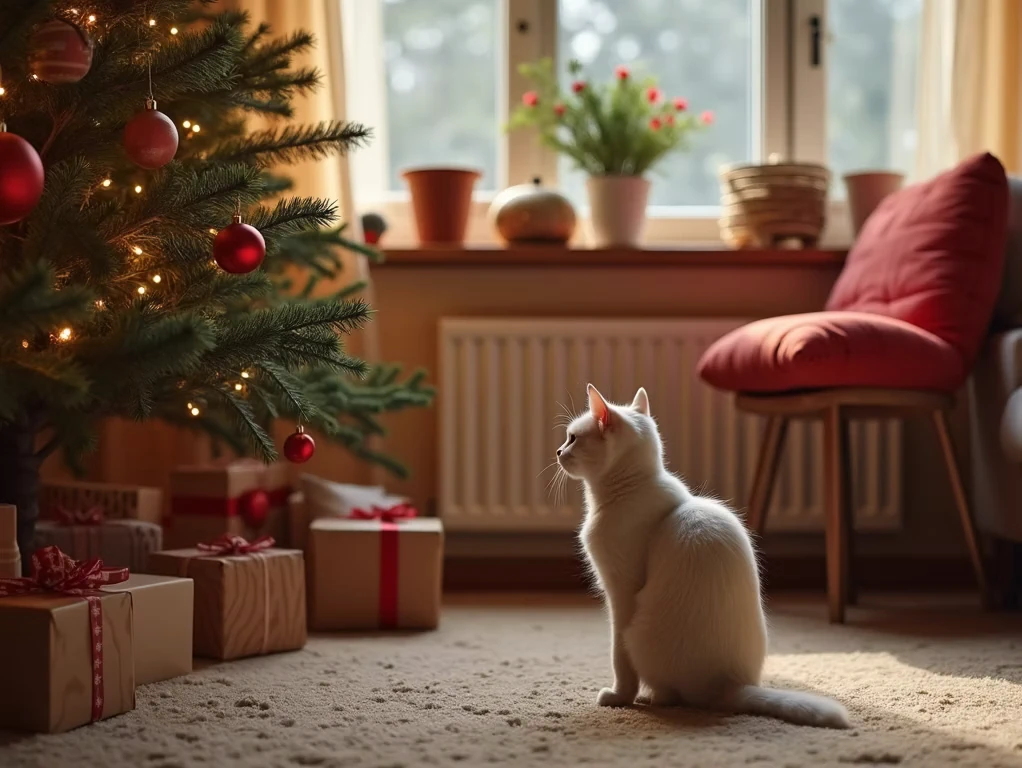
Many Christmas decorations look beautiful but can be harmful if chewed or swallowed by pets. Tinsel, ornaments, and lights pose specific dangers:
Place fragile or dangerous decorations high on the tree or in rooms pets cannot access. Consider using pet-safe decorations like fabric ornaments or battery-operated lights with no exposed wires.
Holiday meals often include foods that are toxic to dogs and cats. Common Christmas treats can cause severe illness:
Keep all food out of reach and never feed your pets scraps from the table. If guests want to give treats, provide pet-safe snacks instead.
A Christmas tree can be a tempting playground for pets but also a source of danger:
If your pet is very curious, consider placing a barrier around the tree or using a smaller tree in a less accessible room.
Traditional holiday plants can be toxic to pets:
Keep these plants out of reach or opt for artificial versions to avoid any risk.
The holiday season often means more noise, visitors, and activity. This can stress pets and lead to unsafe behavior:
If your pet is nervous around strangers or loud noises, consider using calming aids like pheromone diffusers or consult your vet for advice.
Open flames are a serious hazard for pets:
Burns and fires can happen quickly, so always supervise pets around flames.
Visitors may not be aware of your pet’s needs or boundaries:
Clear communication helps keep everyone safe and comfortable.
If you travel with your dog or cat, plan ahead to ensure their safety:
Travel can be stressful for pets, so preparation is key.
Pets may show stress in subtle ways during the holidays:
If you notice these signs, give your pet extra attention and consider consulting a veterinarian or animal behaviorist.